
How to Create Privacy in High-End Landscapes
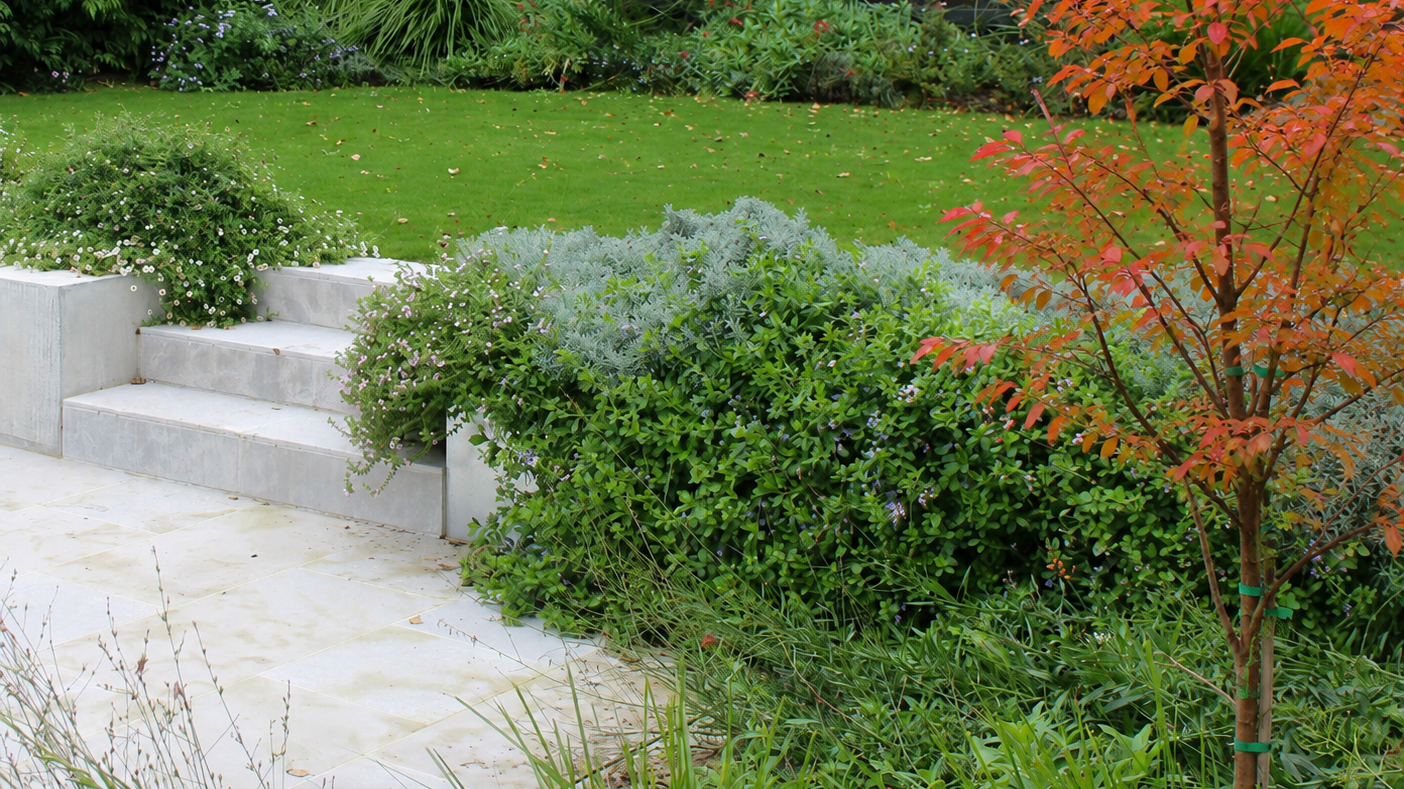
One thing we've noticed over the past few years is that privacy has become a much bigger priority for homeowners.
Whether we're working on a custom home in Brighton, a heritage renovation in Surrey Hills or a new landscape in Hawthorn, the conversation almost always comes back to creating outdoor spaces that feel comfortable, protected and enjoyable to spend time in.
As homes become larger and blocks become more built out, outdoor spaces can often feel more exposed than homeowners expect. It's not uncommon for us to walk onto a site and immediately identify sightlines from neighbouring second-storey windows into a proposed pool area, entertaining space or backyard retreat.
The good news is that privacy doesn't need to come at the expense of good design.
In our experience, the best privacy solutions are rarely achieved through a single fence or hedge. The most successful landscapes use a combination of planting, feature trees, level changes and architectural elements to create spaces that feel private while still remaining open and inviting.
What You'll Learn
Why privacy is becoming increasingly important in Melbourne landscapes
How we create privacy without making a garden feel enclosed
The trees and plants we regularly use for screening
Common privacy mistakes homeowners make
Ideas for pools, entertaining areas and custom home landscapes
Privacy Starts With Good Landscape Design
One of the biggest mistakes we see is privacy being considered after construction is complete.
By that stage, homeowners are often trying to solve a problem rather than designing around it.
The best outcomes occur when privacy is considered from the very beginning of the landscape design process.
When we're designing a landscape, we're not just looking at fences and boundaries. We're looking at neighbouring properties, upper-storey windows, arrival points, entertaining spaces and how people will actually use the landscape.
The goal isn't simply to block views.
The goal is to create outdoor spaces where homeowners genuinely want to spend their time.
When privacy is considered early, it becomes part of the overall design rather than an obvious addition.
Looking for More Privacy in Your Outdoor Space?
A thoughtfully designed landscape can help create outdoor areas that feel private, comfortable and enjoyable throughout every season.
Ready to discuss your project?
Layered Planting Creates Better Privacy Than a Fence Alone
A common approach to privacy is simply installing a taller fence or planting a row of screening plants along the boundary.
While that can certainly help, we've found the best results come from layered planting.
Layered planting uses a combination of trees, shrubs and groundcovers to create depth, texture and natural screening throughout the landscape.
This approach feels softer, more established and far more visually appealing than relying on a single screening element.
Depending on the project, some of the screening plants we regularly use include:
Waterhousea floribunda (Weeping Lilly Pilly)
Syzygium Resilience
Viburnum odoratissimum
Magnolia Teddy Bear
Pittosporum Screenmaster
Murraya paniculata
Elaeocarpus reticulatus (Blueberry Ash)
What we like about these plants is that they don't just provide privacy. They also contribute structure, colour, texture and seasonal interest to the overall landscape.
The best privacy screens often don't look like privacy screens at all.
Using Feature Trees to Create Privacy
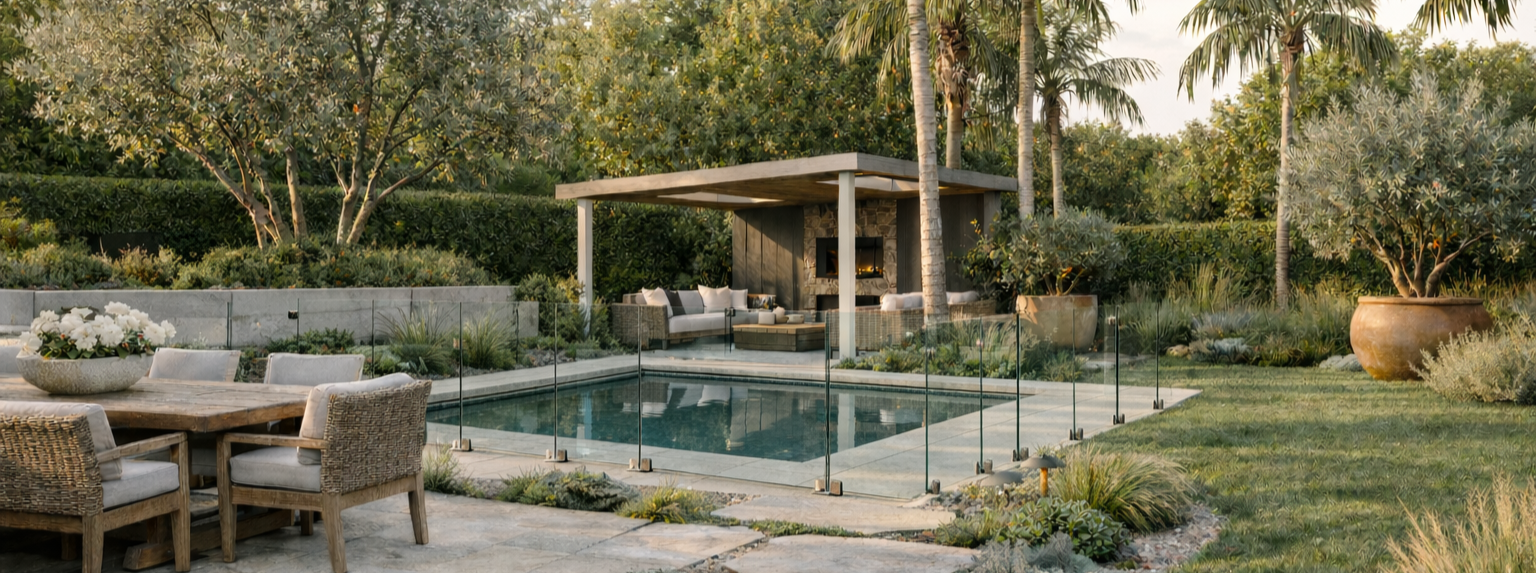
Feature trees are one of the most effective tools we use when designing private outdoor spaces.
We regularly use feature trees as part of our privacy strategy because they achieve much more than simply screening a view.
A well-positioned Magnolia Teddy Bear, Crepe Myrtle or mature Olive Tree can provide privacy, shade, seasonal interest and a strong focal point all at the same time.
Across many of our projects in Camberwell, Canterbury, Balwyn and Kew, feature trees play a critical role in softening overlooking while maintaining a sense of openness.
Some of our favourite trees for creating privacy include:
Magnolia Teddy Bear
Crepe Myrtle (Lagerstroemia)
Ornamental Pear (Pyrus calleryana)
Evergreen Ash (Fraxinus griffithii)
Olive Trees (Olea europaea)
Japanese Maples (Acer palmatum)
For heritage properties, we often lean towards species such as Japanese Maples and Crepe Myrtles that feel more established and complement traditional architecture.
For custom homes, Magnolia Teddy Bear and Olive Trees are often popular choices because they work beautifully within more contemporary landscapes.
Architectural Screening Solutions
While planting is often the hero, there are many situations where architectural elements can strengthen a privacy strategy.
Depending on the site and architectural style of the home, we may incorporate:
Timber screening
Decorative steel screens
Feature walls
Pergolas
Raised planters
Retaining walls
Custom landscape structures
The key is ensuring these elements feel connected to the architecture rather than appearing as standalone additions.
When combined with planting, architectural screening often delivers the most successful and visually refined outcome.
Featured Project
On a recent Surrey Hills project, privacy became one of the key design drivers.
The property was surrounded by neighbouring double-storey homes overlooking the rear garden. The homeowners wanted a resort-style outdoor environment featuring a pool, entertaining space and lawn area for their family, but they didn't want the landscape to feel enclosed.
Rather than relying on large boundary screens, we used a combination of Magnolia Teddy Bears, layered evergreen planting and strategically positioned feature trees to break up sightlines while maintaining openness.
The result is a landscape that feels private and secluded without sacrificing natural light or garden views.
Importantly, the privacy elements feel like part of the landscape rather than obvious screening devices.
See how RYCOR creates landscapes that balance privacy, functionality and architectural design.
Creating Privacy Around Pools and Outdoor Living Areas
Privacy is often most important around the spaces homeowners use every day.
Across suburbs such as Brighton, Black Rock, Beaumaris and Toorak, we're seeing more homeowners invest in outdoor kitchens, pools, fire pits and entertaining spaces.
These areas naturally become focal points within the landscape, which means privacy needs to be carefully considered.
Some of our favourite solutions include:
Layered evergreen planting
Feature trees around pool zones
Raised garden beds
Architectural screening
Pergolas
Strategic changes in level
Custom seating walls integrated into planting
The best solutions don't just block views. They help define and enhance the space itself.
Privacy Is Becoming Increasingly Important Across Melbourne's Established Suburbs
Many of the homeowners we work with in suburbs such as Brighton, Camberwell, Hawthorn, Surrey Hills, Canterbury, Kew and Balwyn are building larger homes on blocks that are often narrower than they were a generation ago.
At the same time, outdoor living has become a major priority.
Homeowners want pools, alfresco spaces, outdoor kitchens and entertaining areas that can be enjoyed year-round.
The challenge is that these spaces are often directly overlooked by neighbouring properties.
We regularly walk onto sites where a proposed entertaining area can be viewed from multiple surrounding windows.
The earlier these issues are identified, the easier they are to solve.
By incorporating privacy into the design process from the outset, it becomes possible to create outdoor spaces that feel comfortable, functional and beautifully integrated with the landscape.
Frequently Asked Questions
What is the best way to create privacy in a landscape?
In our experience, the most successful landscapes use a combination of layered planting, feature trees and architectural screening rather than relying on a single solution.
What plants are best for privacy screening?
Some of our most commonly used screening plants include Magnolia Teddy Bear, Waterhousea, Lilly Pilly varieties, Viburnum and Pittosporum. The ideal plant depends on the site and desired outcome.
Can privacy be improved in an existing landscape?
Absolutely. Many existing gardens can be significantly improved through additional planting, feature trees and carefully positioned screening elements.
How do you create privacy around a swimming pool?
Feature trees, layered planting, raised garden beds and architectural screening are all highly effective solutions around pools.
Is a hedge the best privacy solution?
Not always. While hedges can be effective, we generally find a layered approach delivers a more natural and visually appealing result.
Should privacy be considered during landscape design?
Yes. The best outcomes occur when privacy is considered from the beginning rather than treated as a problem to solve later.
Create Outdoor Spaces That Feel Private and Inviting
Privacy is about more than screening neighbours. It's about creating outdoor spaces that feel comfortable, functional and enjoyable to spend time in.
Through thoughtful design, carefully selected planting and well-considered architectural elements, it's possible to create landscapes that feel both open and secluded at the same time.
At RYCOR Landscapes, we work closely with homeowners across Melbourne to create outdoor environments that balance privacy, beauty and functionality while complementing the architecture of the home.
Ready to discuss your project?