
Heritage Home Landscaping: Balancing Character and Modern Living
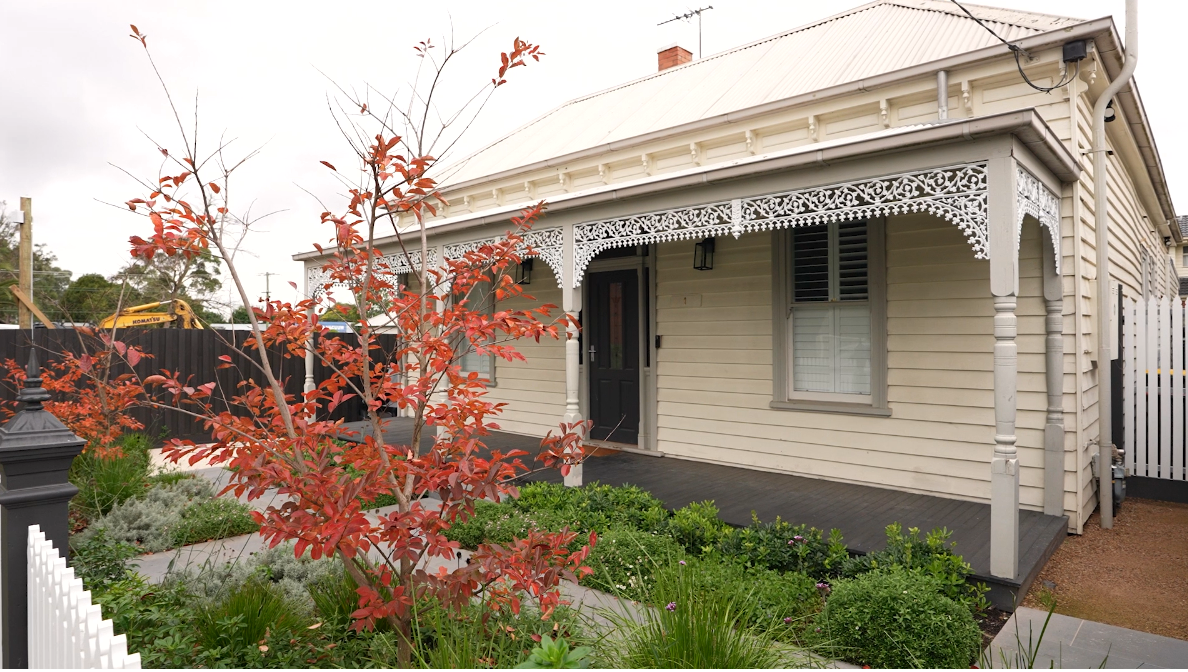
Landscaping a heritage home requires a thoughtful approach. The goal is not to replicate the past, nor is it to create something completely disconnected from the home's architecture. The most successful heritage landscapes find the balance between preserving character and creating functional outdoor spaces that suit modern lifestyles.
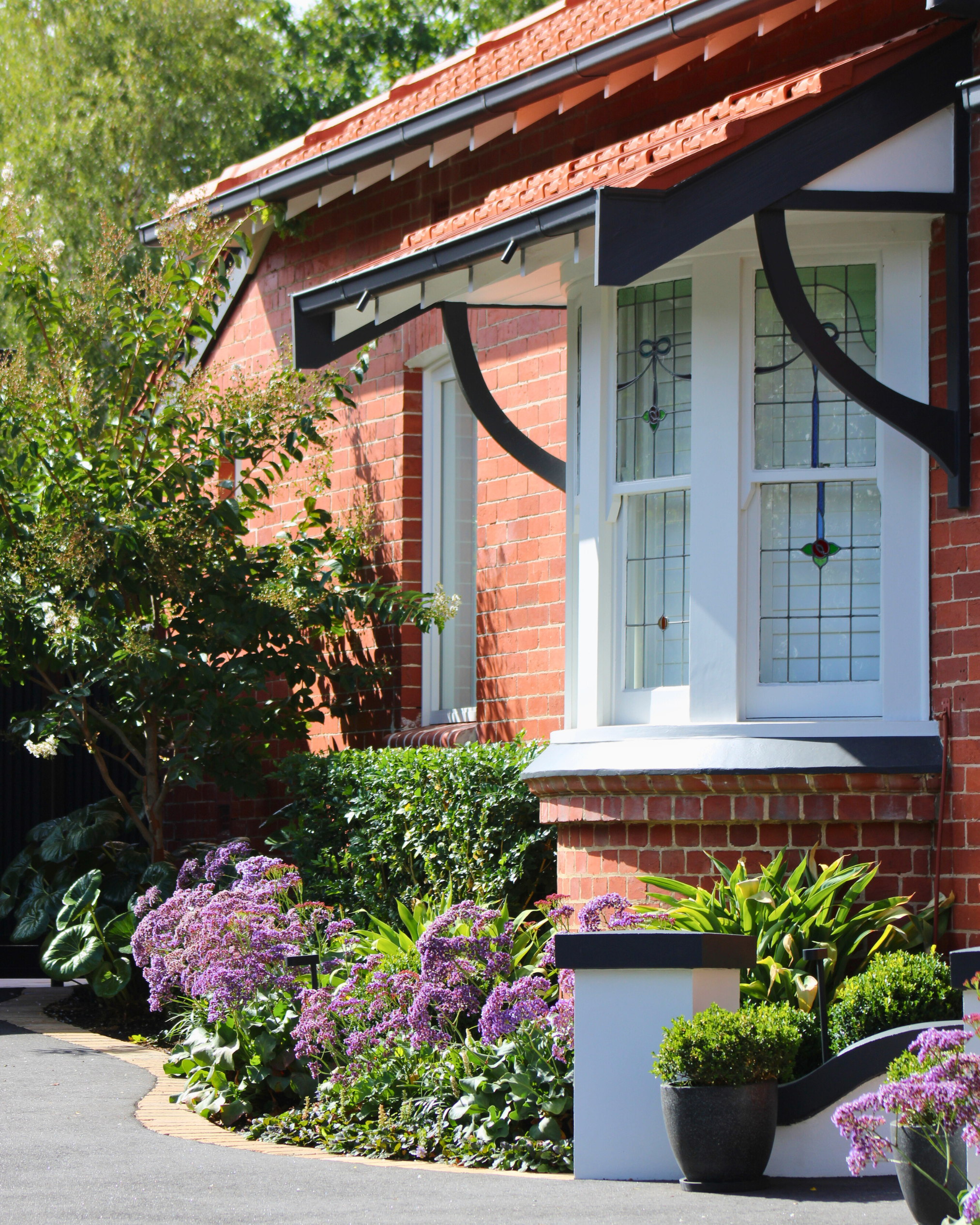
Whether you're restoring a Victorian, Edwardian, Federation or Californian Bungalow home, the landscape should feel like a natural extension of the property's history and architecture.
What You'll Learn
What makes heritage home landscaping unique
How to respect the original character of your property
Modern landscaping ideas that complement heritage architecture
Common mistakes to avoid
Key materials and planting styles for heritage homes
What Makes Heritage Home Landscaping Different?
Unlike contemporary homes where the landscape often follows clean architectural lines, heritage homes require a more considered approach. Every decision should acknowledge the home's existing character while supporting the way people live today.
A heritage home landscape should enhance the architecture rather than compete with it. This means considering the age, style and proportions of the property when selecting materials, planting and outdoor features.
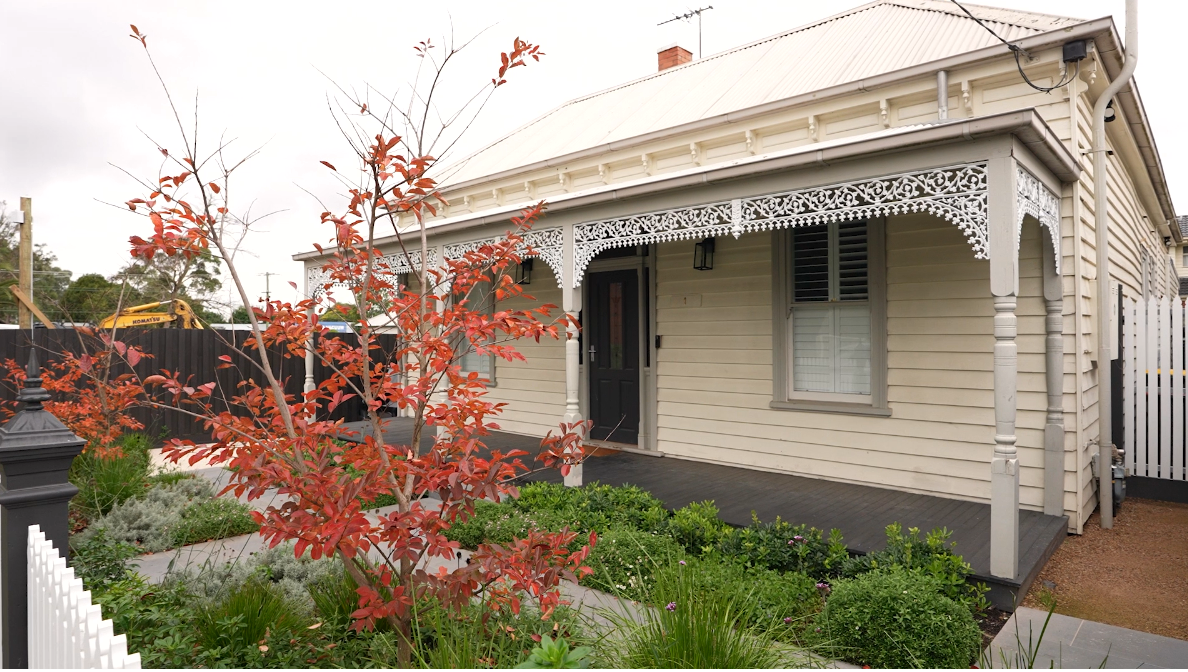
In Melbourne's established suburbs, many heritage homes feature beautiful architectural details, mature trees and strong street presence. Landscaping should work to strengthen these qualities rather than overwhelm them.
At the same time, modern homeowners often want outdoor entertaining areas, functional family spaces, pools and improved access. A successful design carefully integrates these features while maintaining respect for the home's original charm.
The result is a landscape that feels timeless, cohesive and perfectly suited to both the property and its owners.
Planning a Heritage Home Landscape?
Our team specialises in creating landscapes that respect heritage architecture while delivering functional outdoor spaces for modern living.
Key Principles of Heritage Home Landscaping
Every heritage property is unique, but several design principles consistently help achieve successful outcomes.
Respect the Architecture
The landscape should support the home's architectural style. Materials, colours and forms should feel connected to the building rather than appearing as separate elements.
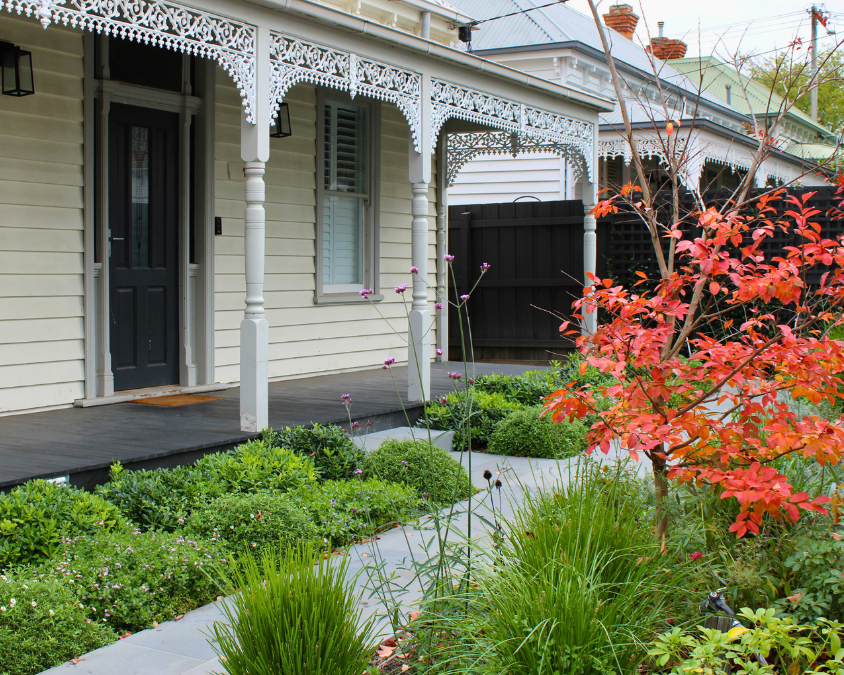
For example, a Federation home may suit natural stone pathways, layered cottage-style planting and traditional garden structures, while a Victorian home may benefit from more formal garden arrangements and elegant detailing.
Use Materials Thoughtfully
Material selection plays a significant role in maintaining authenticity.
Common materials often suited to heritage landscapes include:
Bluestone
Brick paving
Natural stone
Gravel pathways
Timber detailing
Traditional steel edging
These materials often age gracefully and complement older homes.
Create Layers of Planting
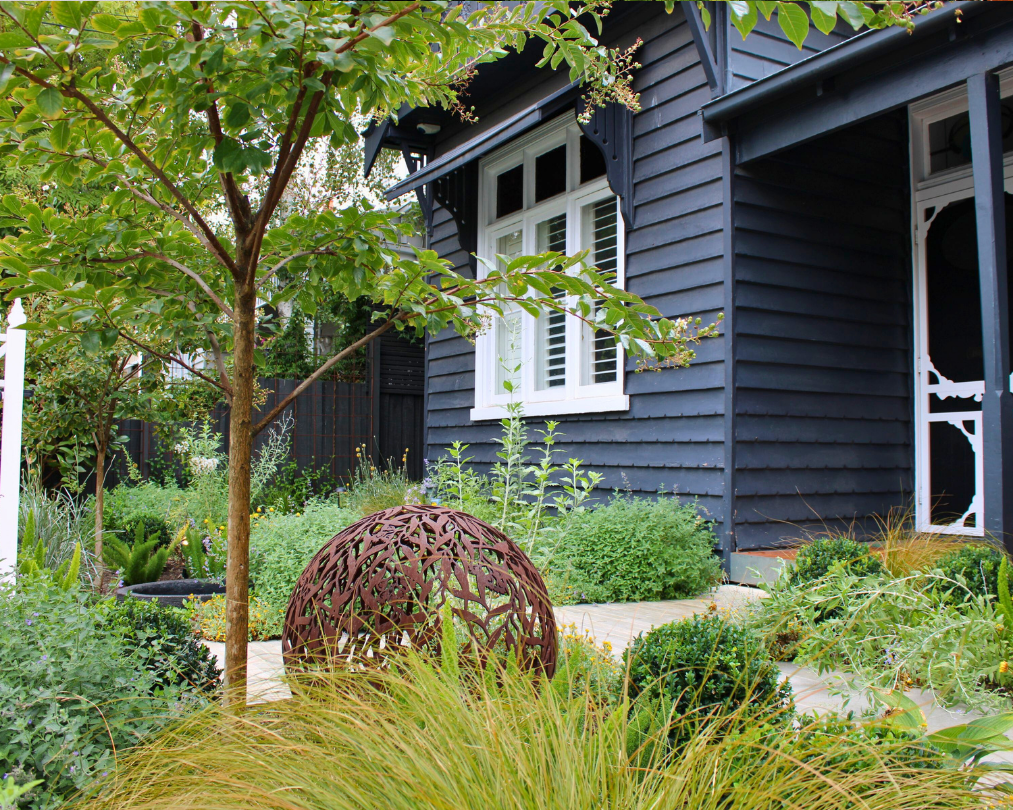
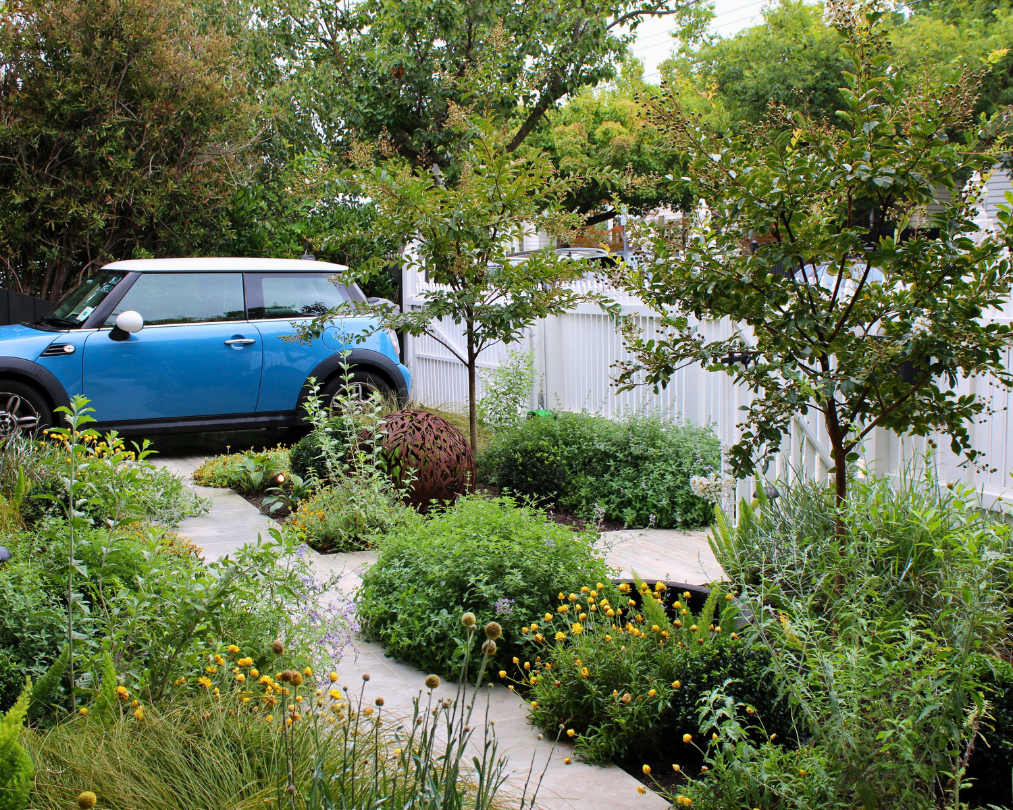
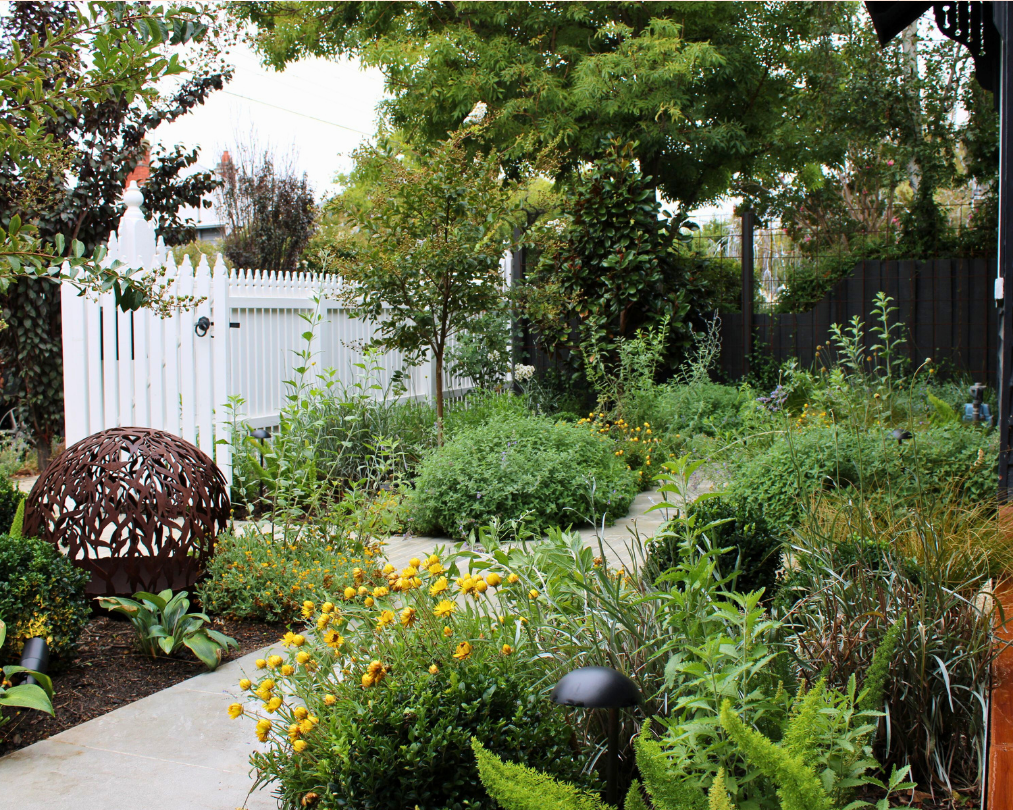
Layered planting helps soften the built environment while creating depth and seasonal interest.
A successful heritage garden often includes:
Feature trees
Structured shrubs
Flowering perennials
Groundcovers
Climbers and screening plants
The goal is to create a landscape that feels established and connected to the home's character.
Design for Modern Living
While heritage homes deserve respect, landscapes must also function for contemporary lifestyles.
Outdoor entertaining spaces, swimming pools, integrated lighting and family-friendly lawn areas can all be incorporated when thoughtfully designed.
The key is ensuring these elements complement the property rather than dominate it.
Creating a Landscape That Complements Heritage Architecture
One of the most rewarding aspects of heritage landscaping is finding the balance between old and new.
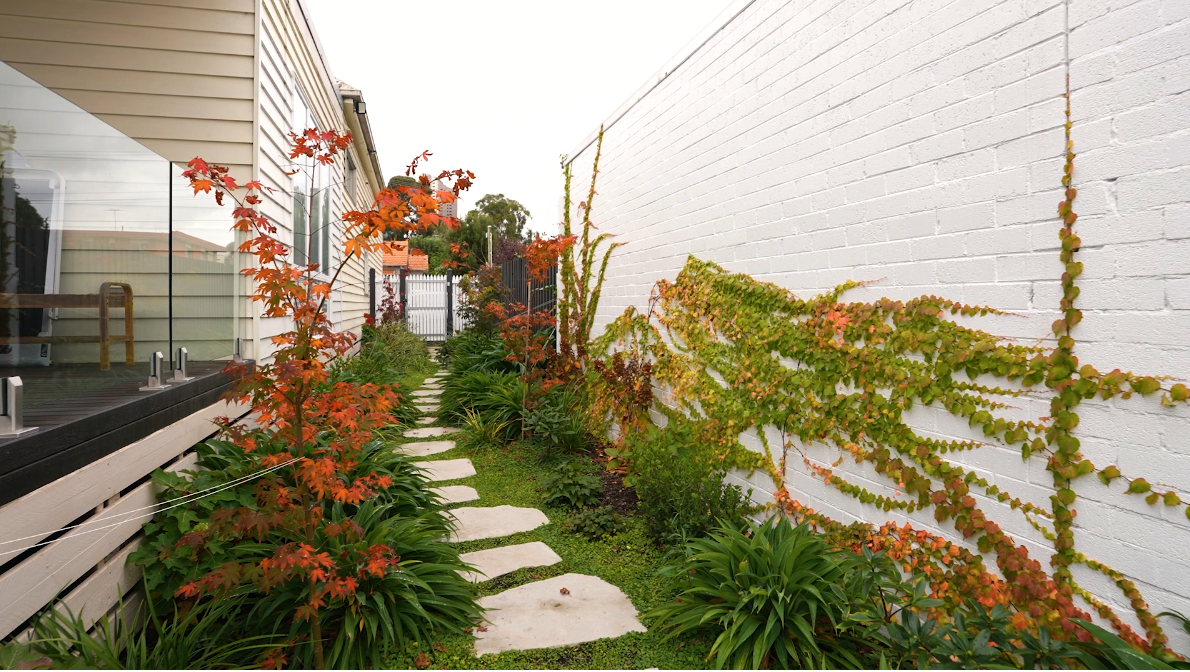
For a recent heritage home project based in Box Hill, the objective was to retain the property's traditional character while creating a more functional outdoor environment for a growing family. The landscape incorporated natural materials, softened garden edges and carefully selected planting to reflect the home's architectural style.
At the rear of the property, contemporary entertaining spaces were introduced in a way that felt sympathetic to the home's original character, creating a seamless transition between heritage architecture and modern outdoor living.
The finished result delivered both visual cohesion and practical family living spaces.
Common Heritage Landscaping Mistakes
Even beautiful homes can lose their character when landscaping decisions are not carefully considered.
Choosing Materials That Clash With the Home
Ultra-modern materials can sometimes feel disconnected from traditional architecture if not balanced appropriately.
Overcomplicating the Front Garden
Many heritage homes already possess strong visual character. Landscaping should complement these features rather than compete for attention.
Removing Established Trees Unnecessarily
Mature trees often contribute significantly to a property's heritage appeal and should be retained wherever practical.
Ignoring Scale and Proportion
Oversized retaining walls, planting or hardscape features can overwhelm older homes and diminish their architectural presence.
Treating the Front and Rear Gardens the Same
The front garden often benefits from a more traditional approach, while rear gardens can provide greater flexibility for contemporary outdoor living spaces.
Frequently Asked Questions
-
Heritage home landscaping involves designing outdoor spaces that complement and respect the architectural character of older homes while accommodating modern lifestyle requirements.
-
Yes. Contemporary elements can work beautifully when they are integrated thoughtfully and maintain a connection to the home's character.
-
Layered planting, flowering shrubs, feature trees and traditional garden favourites often work well. Plant selection should be tailored to the specific property and style of home.
-
In many cases, yes. Careful planning and design can allow modern features such as pools to coexist with heritage architecture.
-
Well-designed landscaping can significantly enhance street appeal, usability and overall property value.
-
Not necessarily. The most successful projects often blend traditional character with contemporary functionality to create timeless outdoor spaces.
Enhance Your Heritage Home with Thoughtful Landscape Design
A well-designed landscape can elevate the character of a heritage home while creating beautiful spaces for everyday living. By carefully balancing architectural respect with modern functionality, it's possible to create a landscape that feels timeless, welcoming and perfectly suited to your property.