
The Best Plants for Modern Melbourne Landscapes
In modern landscape design, planting plays a very different role to traditional gardens.
Rather than becoming the dominant feature, planting is often used to support the architecture, adding softness, texture and seasonal variation while allowing the built form of the home to remain the focus.
At Rycor, we approach planting as part of the overall landscape composition. The most successful modern landscapes are usually restrained, not overdesigned.
For custom homes across Melbourne suburbs such as Brighton, Camberwell and Toorak, planting increasingly forms part of a broader architectural language that includes pools, paving, retaining walls, outdoor living and structural landscaping.
See our premium landscape construction projects in Malvern
Why Simplicity Often Works Best
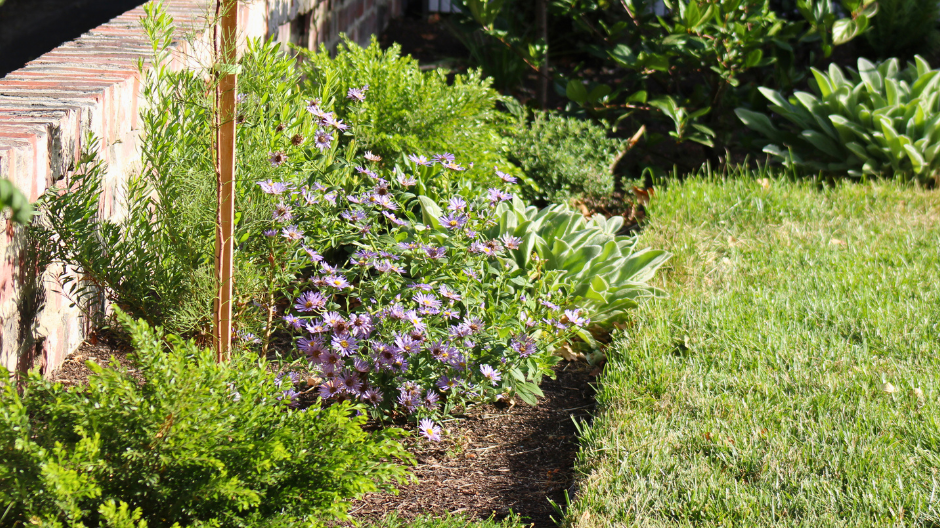
One of the defining characteristics of modern landscape planting is restraint.
Rather than using large numbers of contrasting species, modern landscapes often rely on repetition, texture and carefully layered planting palettes to create cohesion throughout the space.
Simple planting schemes generally:
age better over time
complement architecture more effectively
require less maintenance
create stronger visual consistency
allow structural elements to stand out
Too much variation can quickly make a landscape feel visually cluttered.
Particularly around architecturally designed homes, simplicity often creates the strongest long-term result.
Structural Planting for Architectural Homes
Structure is one of the most important considerations in modern planting design.
Feature trees, screening plants and mass planting establish the framework of the landscape and help define how spaces feel and function.
Some of the most effective structural planting selections for Melbourne landscapes include:
olive trees
feature deciduous trees
advanced screening
clipped Westringia
multi-trunk specimens
structured native shrubs
These elements help anchor the landscape while softening hardscape materials such as concrete, steel and stone.
On our recent Elsternwick project, restrained structural planting was used to complement the home’s clean architectural lines rather than compete with them. Layered textures and subtle tonal variation helped soften the burnished concrete and built elements throughout the outdoor spaces.
Quiet planting often has the strongest impact.
Grasses and Texture in Modern Landscapes
Texture plays a significant role in contemporary landscape design.
Grasses and strappy foliage plants introduce movement, softness and contrast while remaining visually restrained. They also work particularly well alongside pools, paving and outdoor entertaining spaces.
Some of the most commonly used planting varieties in modern Melbourne landscapes include:
Lomandra
Poa
Dianella
Miscanthus
Pennisetum
low-growing Myoporum
These plants provide:
seasonal movement
drought tolerance
softer edges
layered visual depth
lower maintenance requirements
In many landscapes, texture becomes more important than colour. Especially in architectural settings.
Native Plants in Premium Modern Landscapes
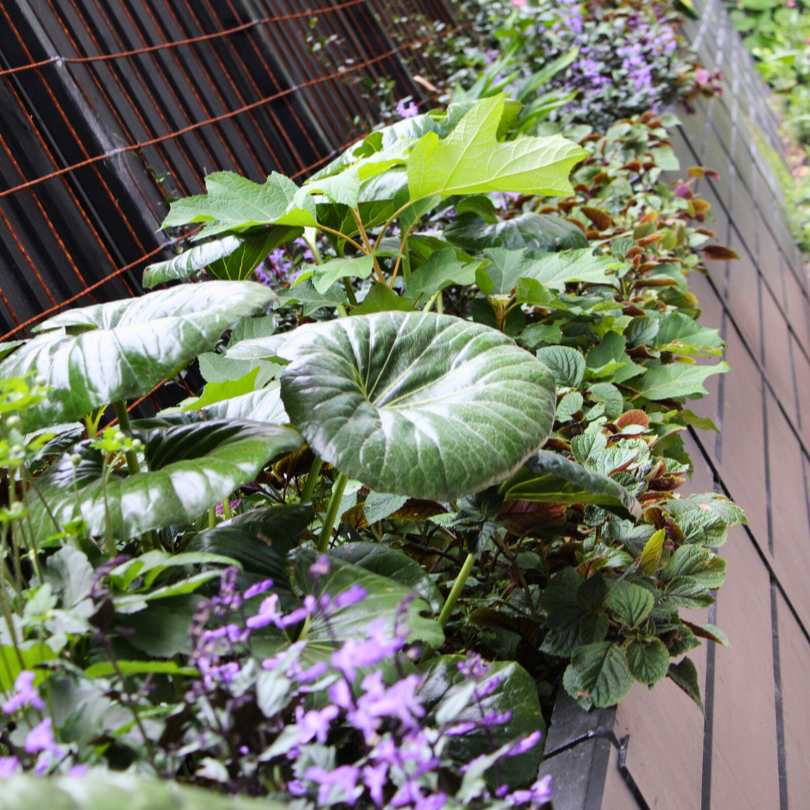
Native planting continues to play an increasingly important role in premium Melbourne landscapes.
When used thoughtfully, native species can feel refined, architectural and highly integrated within modern homes.
The key is selection and restraint.
Rather than creating highly ornamental native gardens, modern landscapes often utilise natives in a more structured and tonal way through:
repeated planting groups
softer green and silver foliage
textural layering
restrained colour palettes
Species such as Westringia, Correa, Philotheca and Banksia varieties work particularly well within contemporary Australian landscapes while also offering strong climate suitability for Melbourne conditions.
Native planting also tends to perform well long term with lower water requirements and greater resilience during extended dry periods.
Planting Around Pools and Outdoor Living Areas
Planting around pools and outdoor living spaces requires a slightly different approach.
These spaces are heavily used and highly visible, meaning planting needs to balance aesthetics with practicality.
In these areas, we often prioritise:
cleaner planting lines
lower litter species
softer textures
durable varieties
open circulation zones
integration with paving and seating
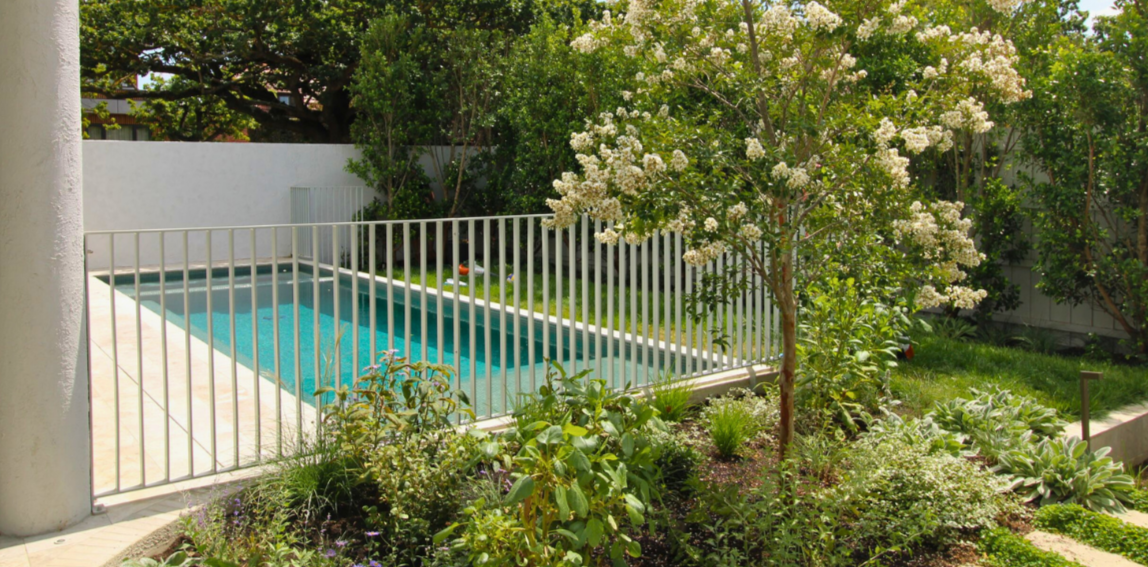
The best outdoor living spaces feel connected to the planting rather than surrounded by it. Good planting should frame the experience, not overwhelm it.
See an example of poolside planting in our premium landscape construction project in Malvern
The Importance of Long-Term Performance
Modern landscapes should not only look strong upon completion, but continue performing well as they mature.
This is why plant selection needs to consider:
growth habits
maintenance requirements
irrigation
sun exposure
drainage conditions
long-term scale
Fast-growing planting may create short-term impact but can quickly outgrow the space if not properly considered.
At RYCOR, planting is selected not simply for visual appeal, but for how it will integrate into the landscape over time.
Because the best landscapes improve as they mature.
For further inspiration of established RYCOR projects, visit our projects page.

The best plants for modern Melbourne landscapes are rarely the most colourful or complicated.
Instead, successful planting palettes focus on structure, texture, restraint and cohesion, supporting the architecture while softening and grounding the overall environment.
From feature trees and layered grasses through to refined native planting, modern landscape design is increasingly about balance between built form and natural elements.
Quietly resolved spaces often leave the strongest impression.
For custom homes across Melbourne, thoughtful planting selection plays a significant role in shaping outdoor environments that feel timeless, functional and connected to the architecture itself.
Learn More
-
Modern Melbourne landscapes commonly use structured planting palettes featuring grasses, native shrubs, feature trees and drought-tolerant species that complement contemporary architecture.
-
Yes. Native plants such as Westringia, Correa and Philotheca work particularly well in modern Australian landscapes when used in restrained and structured planting palettes.
-
Lomandra, Dianella, Poa, Myoporum and Westringia are commonly used in Melbourne landscapes due to their durability, texture and relatively low maintenance requirements.
-
Restrained planting palettes create stronger cohesion, reduce visual clutter and allow architectural elements and outdoor living spaces to remain the focus.
-
In architectural landscapes, planting is used to soften built form, introduce texture and create cohesion between the home and outdoor environment.